

by Evan McDivitt
All photos courtesy of Andy Sidelinger, DCNR Bureau of Forestry
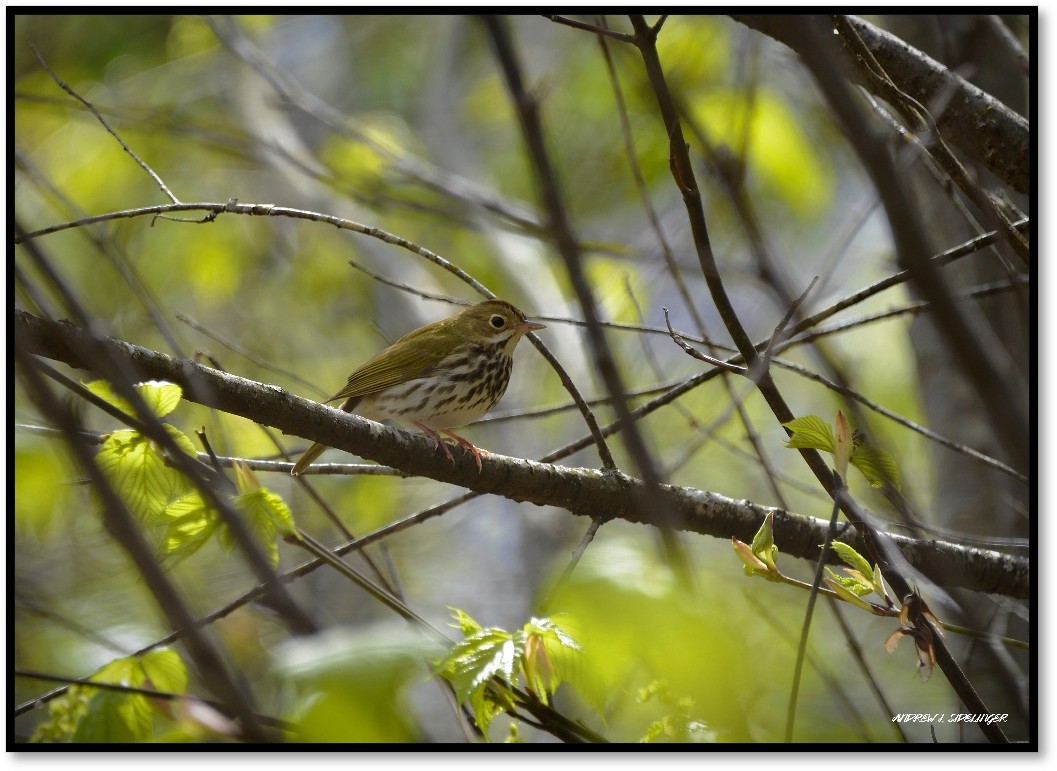
Ovenbird. Photo courtesy of Andy Sidelinger, DCNR Bureau of Forestry
We hit the trail with our children for a morning hike after drinking our customary morning coffee. As we arrived in the woods, steamy morning air was rising and sunbeams filtered through the canopy, creating alternating shadows and light in the understory. These patterns mixed with ephemeral wildflowers, inviting us to explore. The greenness of full leaf out adorned the canopy; the forest appeared both expansive and mysterious as the wall of midstory vegetation surrounded us.
The sound of the ovenbird echoed through the woods where we stood. With excitement, we celebrated our first ovenbird encounter of the growing season. Our five-year-old son ran down the trail yelling, “Pizza! Pizza! Pizza!”, mimicking the birdsong he had just heard and copying our excitement. The first ovenbird song of the year is very welcome after the long months since they flew south. The ovenbird has now completed its circuit and will occupy its summer range in the forests of Pennsylvania.
One aspect of this migratory behavior that is connected to the coffee we enjoyed at the beginning of this story bears importantly on our state forest managers. With 2.2 million acres of state forest, our public lands provide valuable summer habitat for the ovenbird. It winters in the tropics and doesn’t shy from agricultural and coffee growing lands. The ovenbird performs a vital function in coffee-renowned regions like Jamaica where it spends its time foraging on the coffee cherry borer. This insect pest of coffee beans is responsible for major losses in the industry, so keeping borer populations low boosts coffee production. Ovenbirds do their part to keep coffee plants healthy and pest free, and ecosystem services provided by the ovenbird help ensure coffee is available to export. A fraction of this coffee ends up as part of the morning routines of countless foresters who passionately manage and conserve PA forests. One could say the relationship is mutually beneficial! Providing habitat suitable for ovenbirds is what we do when we implement sound silviculture. We provide stratified canopy layers, deep, untouched timber stands, and even early successional habitat for these birds. Interior forest species like ovenbirds use clearcuts, which, in response to increased light, foster more plant diversity that in turn offers more insect prey. DCNR is helping ensure ovenbirds can complete their critical summertime breeding phase by encouraging an appropriate range of age classes and varying stand structure that ovenbirds need. So, next time you drink coffee, especially if it is sourced from the ovenbird wintering range, you can think about all the ovenbirds making this possible and appreciate the interesting connections between DCNR’s working forests and coffee production.
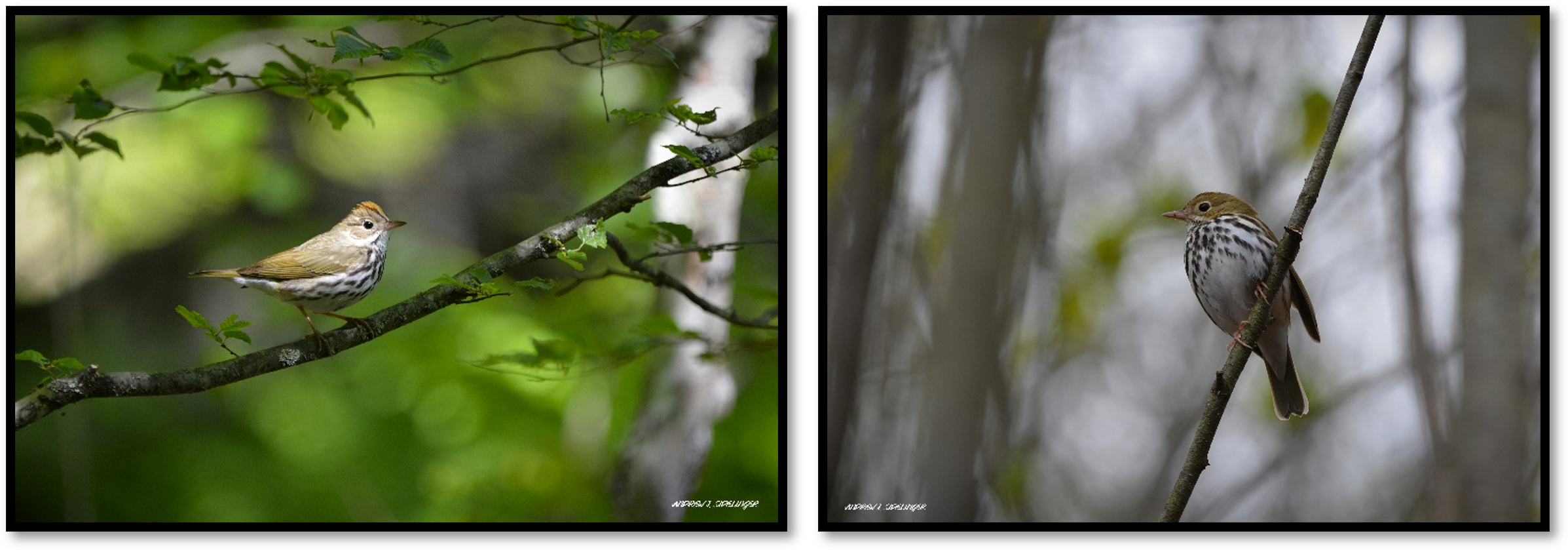
Ovenbirds. Photos courtesy of Andy Sidelinger, DCNR Bureau of Forestry
References:
Kellermann, J. L., Johnson, M. D., Stercho, A. M., & Hackett, S. C. (2008). Ecological and economic services provided by birds on Jamaican Blue Mountain coffee farms. Conservation Biology, 22(5): 1177–1185.
Kellner, K. F., Ruhl, P. J., Dunning, J. B., Riegel, J. K., & Swihart, R. K. (2016). Multi-scale responses of breeding birds to experimental forest management in Indiana, USA. Forest Ecology and Management, 382: 64-75.