
Original article written by Sarah Nicell for LancasterOnline posted 1 March 2026
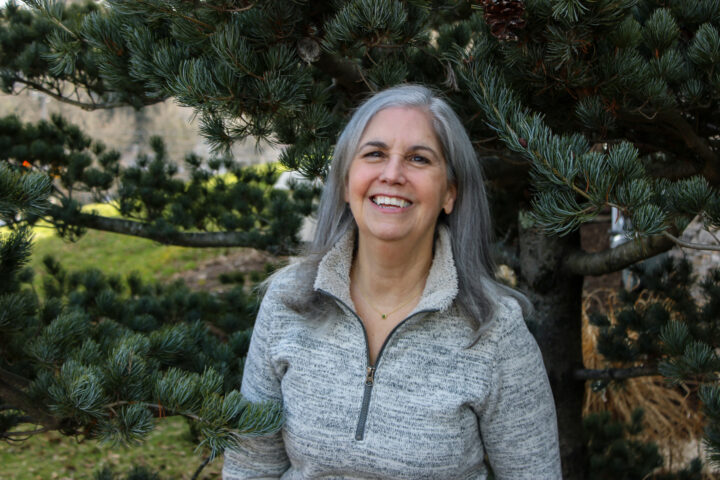
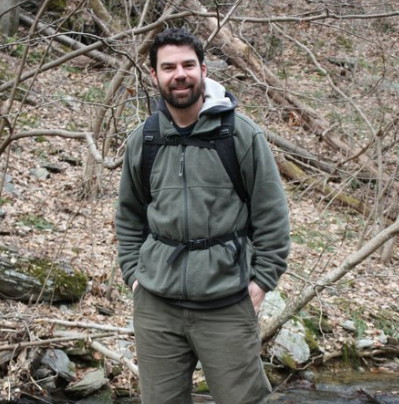 If you ask Fritz Schroeder what he likes to do when he’s not outdoors, he won’t know what to say.
“I don’t think I have a good answer to that. Can I think on that?” he says during a January interview. “What do I do when I’m not outdoors?”
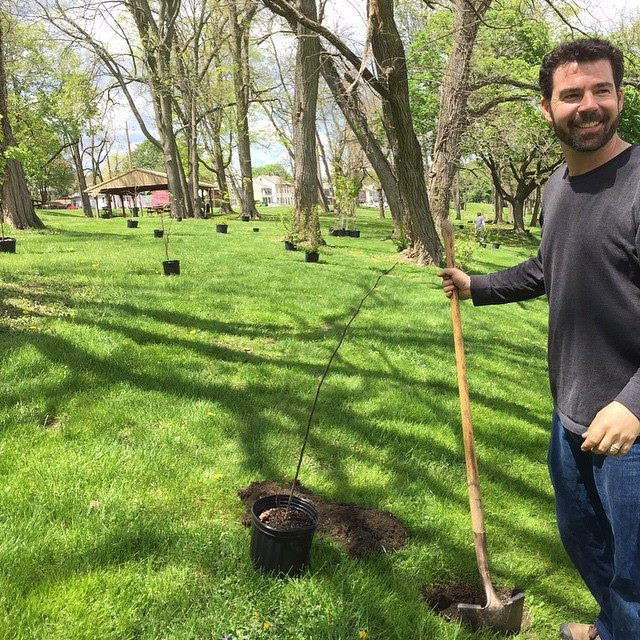
He will instead tell you that he has worked with the Lancaster Conservancy for about 15 years — he doesn’t count anymore — and as the nonprofit’s president since 2023. He will tell you that he is a fifth-generation and lifelong resident of Lancaster County. He will tell you that his parents bought a farm and started a tree nursery in Manor Township in 1979. His wife runs the nursery full time now, and Schroeder still handles an assortment of chores there on evenings and weekends, just trying to get his hands dirty. He will tell you that kids today don’t spend nearly enough time outside, that they haven’t turned over leaves to dig for insects or macroinvertebrates or dangled their feet in a running stream.
Schroeder says he never saw himself becoming the CEO of an organization, despite serving in several leadership roles at the conservancy since 2012 and founding ongoing initiatives, including Lancaster Water Week.
“I pinch myself those days, when I get to work with this great team,” Schroeder says. “There’s ups and downs and challenges with every single job, and this one has many, but it’s nice to be able to go home believing in what you do.”
Today, Lancaster Conservancy manages 50 nature preserves and 70 conservation easements (agreements in which property owners keep ownership but give up their right to develop), more than 8,000 acres total, in Lancaster and York counties. The preserves are open to the public for free every day of the year.
Successes and barriers to a thriving environment
During Schroeder’s tenure at the Lancaster Conservancy, the nonprofit has acquired thousands of acres of forested land and streams along the Susquehanna River. Schroeder says the process for preserving land hasn’t changed, but strategies for overseeing that land have improved over time.
“For years and years, the organization has protected land, but we didn’t know how we were going to manage it long term,” Schroeder says.
Brandon Tennis, the conservancy’s land stewardship director, started out as “a staff of one” in 2016, back when Schroeder was the urban greening director. Now, the land stewardship team, which helps manage the conservancy’s acquired land, has about 11 people, Schroeder says.
Plus, Lancaster Conservancy has expanded from a countywide conservation organization to a regional one. The conservancy acquired its first parcels of land in York County in 2010 and has since expanded its land protection efforts on the other side of the river to include 12 nature preserves and more than 3,000 acres of land. Schroeder says he plans to continue to collaborate with environmental organizations in York.
Dan Ardia, a biology professor at Franklin & Marshall College and a Lancaster Conservancy board member, met Schroeder around 2018 when Ardia was applying for a grant to research wildlife along the Conestoga River. Ardia says Schroeder’s tolerance for risk has paid off, including in the push to acquire Eagle View Nature Preserve in October.
“When we normally acquire land, it may take several years,” Schroeder says. “But that was a beautiful 180-acre parcel in Chanceford Township, York County, that was listed publicly. We had to turn around the acquisition within four months.”
Schroeder says the conservancy competed with a person who pitched clearcutting the 180 acres instead, but his team managed to convince the sellers that the conservancy was the best option.
Ardia credits Schroeder’s work on projects like Eagle View for the conservancy’s high staff retention rates.
“He makes them feel like part of the larger whole,” Ardia says. “Most nonprofits have a lot of turnover. The conservancy is rare.”
Schroeder has also advanced collaborations with the county’s tourism and economic organizations, including Discover Lancaster and EDC Lancaster County, the county’s primary economic development agency, says EDC president Ezra Rothman.
By hosting workplace events that encourage employees to get outdoors, the conservancy is not only furthering its own mission but also that of the other organizations — promoting Lancaster County as a great place to live and work, Rothman says.
Outdoor recreation is a $19 billion industry statewide, according to a 2025 release from Pennsylvania Gov. Josh Shapiro’s office. Although people might not expect a business development leader and conservationist to get along, Rothman says EDC and the conservancy don’t compete for land.
“The more property they own and steward in the county, the better we are from an economic perspective because it increases the quality of life here,” Rothman says.
Hopes for the future
Despite his successes, Schroeder says the biggest barrier to protecting land in Lancaster County is a lack of funding. Property owners looking to sell their land, prime for nature preserves and outdoor recreation, often demand market rate, he says.
“We’re having to compete in an escalating market where property values and the cost per acre are only going up,” Schroeder says. “That’s the urgency that we feel. Once that property is purchased and developed, you’re not getting it back.”
But Schroeder still has many hopes for the future. He says he wants to partner with more conservation organizations and elected officials at the municipal, county and state levels to build new land protection strategies and funding models. He says 1,600 miles of streams and rivers could see dedicated investments in the next 50 years to secure clean water across the county.
As for the next five years, Schroeder says he hopes to protect another 2,500 acres between Lancaster County and York County along the Susquehanna River, which will require strength in fundraising and in the willingness of property owners to sell their land to the conservancy.
And for those looking to get involved, there’s always an opportunity to volunteer. Or, Schroeder says, just go outside.
“I’d just encourage people to get out and take a walk in nature, walk the Enola, walk Northwest River Trail, go out to the conservancy’s Kellys Run or Clark Nature Preserve,” he says. “Get out on a trail and explore.”