

by Jeff Woleslagle
We all know that evergreens such as pine, spruce, and hemlock are important thermal cover for a host of species in the winter and that they shade and cool our mountain streams in the heat of summer. Evergreen trees are special because they have developed clever adaptations that let them stay green and keep functioning through conditions that would shut most other plants down. Have you ever wondered though if they continue to photosynthesize in the winter after deciduous trees have long since lost their leaves?
The answer is yes! They do photosynthesize in winter, although at a much slower rate, continuing to produce sugars for energy and protection, thanks to their waxy needles that conserve water and their ability to slow metabolic processes during freezing temperatures. While active photosynthesis slows significantly or stops in deep freezes, they maintain their green foliage and can utilize sunlight whenever conditions (temperature, water availability) are favorable, making them crucial for wildlife and year-round greenery. They even continue to grow in the winter, provided conditions aren’t too harsh.
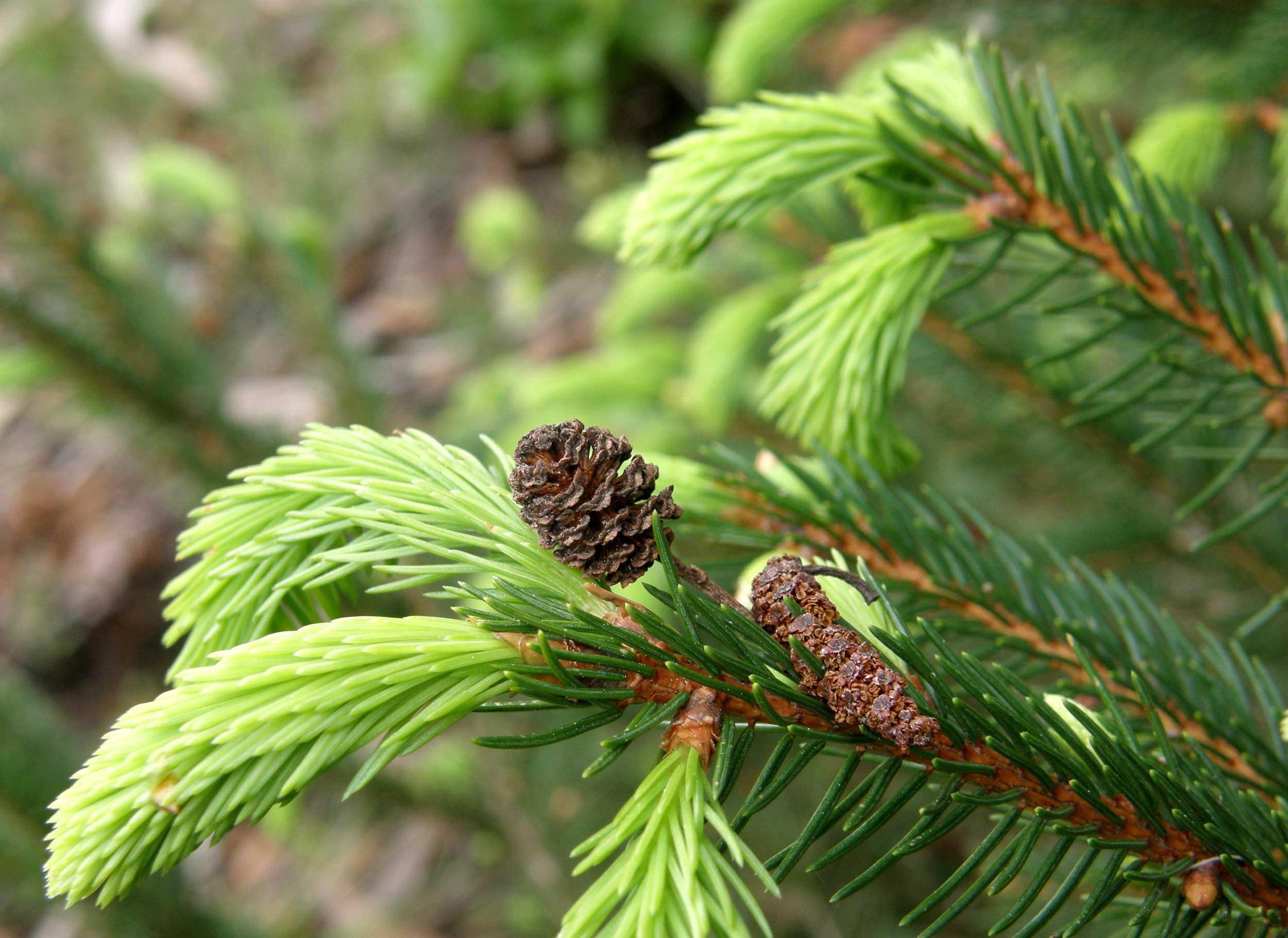
Evergreen needles are tiny engineering marvels that are built for survival. Their thick, waxy coating protects against drying out and their tough structure resists freezing and wind damage. The dark green color of most evergreens helps absorb more solar heat, keeping the leaf warmer. They also save energy that would otherwise go into growing a full new canopy every spring.
In essence, evergreens are masters of efficiency, keeping their “solar panels” (needles) ready to work whenever the winter conditions allow, unlike deciduous trees that drop their leaves entirely each autumn.
“Between every two pines is a doorway to a new world.”
John Muir
“’Cause honey your soul can never grow old, it’s evergreen”
Ed Sheeran, Thinking Out Loud